

Dental extraction • Tooth-level coverage checks

Does pet insurance pay for teeth removal?

The same procedure can be an accident claim, an illness claim or an excluded expense. Start with why each tooth needs removal.

Owner sitting at a table beside a dog
✓ Policy-first ✓ Independent ✓ Useful checks
Direct answer
Pet insurance may pay for medically necessary teeth removal when the underlying dental condition and the extraction qualify. The procedure name alone does not establish coverage. Trauma, periodontal disease, tooth resorption and retained baby teeth can have different rules, while routine cleaning benefits do not automatically include extractions.
Coverage

Match the reason for removal to the benefit

Reason recorded by the veterinarian Insurance issue to investigate
Tooth broken in an accident Trauma definition, prior chewing history and eligible extraction expenses.
Periodontal disease Dental-illness cover, prior oral findings and required dental care.
Feline tooth resorption Whether this diagnosis is included, prior signs and diagnostic imaging.
Retained baby tooth or developmental issue Specific extraction exclusions and any age-at-enrollment requirement.
Removal proposed during a routine cleaning Separate the cleaning allowance from treatment of the diagnosed condition.

Cornell explains that resorption can damage a cat’s tooth and may require extraction; imaging helps establish the problem. A cat continuing to eat does not establish that its mouth was disease-free. Ask the veterinarian for the diagnosis rather than treating every removal as routine preventive care.

Insurance classification is a different decision from medical necessity. A veterinarian can appropriately recommend treatment that your particular policy does not reimburse.
What to know

Create a tooth-by-tooth record

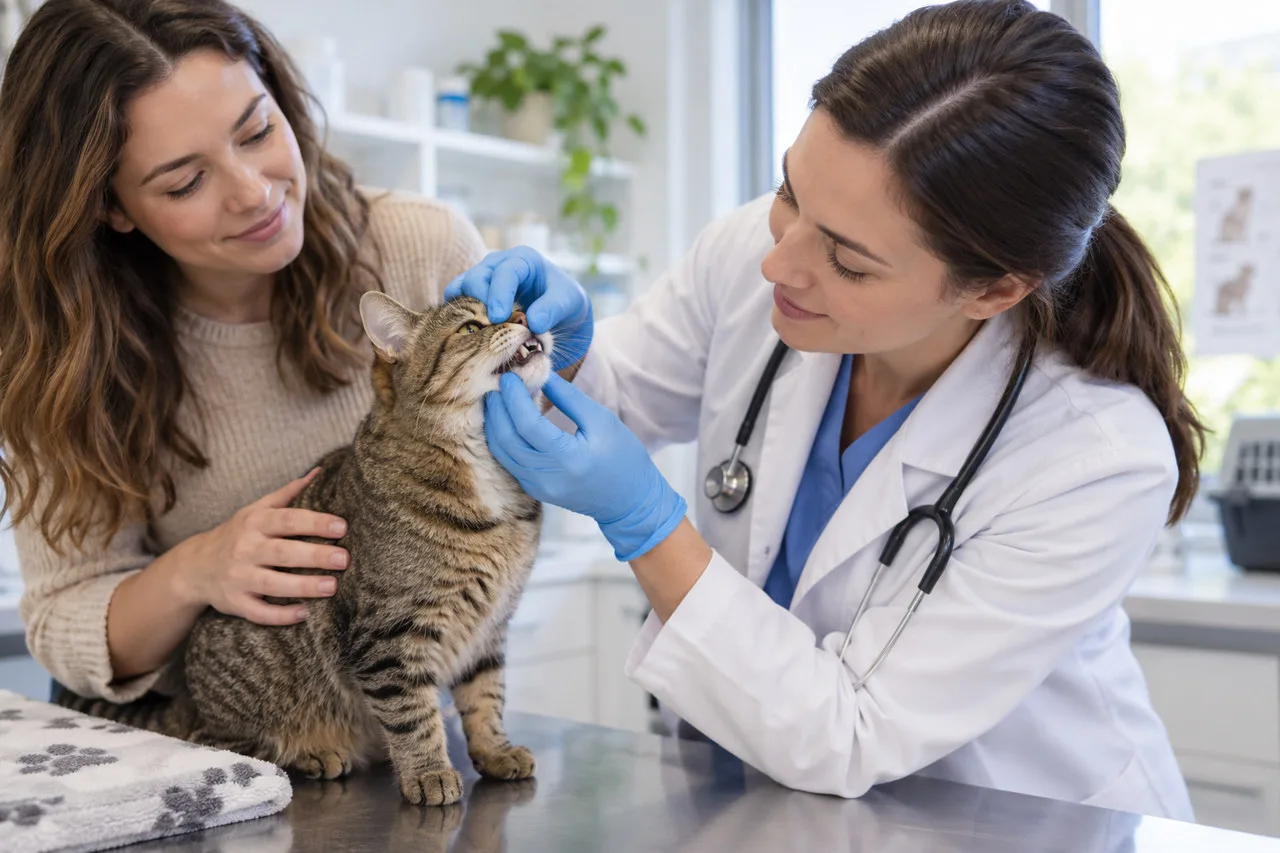
Veterinarian examining a cat’s mouth beside its owner
Illustrative oral examination. Tooth-level findings and history help explain an extraction claim.

Ask the practice to identify the teeth being treated, the diagnosis for each and whether the estimate is provisional pending examination or radiographs under anesthesia. Keep earlier oral-exam notes and recommendations with the new estimate. One invoice can contain both newly discovered findings and previously documented disease.

For a proposed claim, ask the insurer whether an earlier finding affects only a specific tooth, a condition or a broader dental category under its wording. Do not assume that a different tooth number automatically makes a new condition, or that one excluded tooth automatically excludes the entire mouth.

Have the clinic separate anesthesia, imaging, cleaning, extraction work, medications and examination charges where its billing allows. When charges are bundled, ask for the available breakdown rather than inventing an allocation. This makes the insurer’s eventual explanation easier to reconcile.

Coverage

An actual dental benefit can have narrow conditions

Pets Best’s dental guidance describes potentially eligible extractions for traumatic fractures or oral trauma, while separately asking about earlier repetitive inappropriate chewing. For some developmental problems, including retained baby teeth and impacted teeth, its displayed criteria require accident-and-illness enrollment before six months of age and no prior relevant signs. These are provider-specific criteria, not rules for all insurance.

Its periodontal tool also has state and age branches. Some displayed pathways require an anesthetized dental cleaning and examination within the preceding 13 months once the pet is three or older. Obtain the applicable state wording instead of treating the whole interactive page as one nationwide guarantee.

Its state-dependent Dental Care option expressly includes them and routine cleanings, has no deductible, and is initially available to add at ages zero through three. Retaining it later requires continuous coverage and keeping the add-on. New-policy waiting rules still apply; its current add-on guide lists a separate $1,000 annual limit. Obtain the actual endorsement before counting an existing extraction need as eligible. This exception is not a promise of retroactive payment.

What to know

When a cleaning turns into several extractions

Before anesthesia, ask how the practice will obtain your authorization if examination or imaging reveals more treatment than expected. Discuss the clinical choices and spending authorization with the veterinarian. Insurance review may not happen quickly enough to make that decision for you.

Ask the insurer in advance how a changed estimate should be submitted, what a pre-treatment review does and does not establish, and whether a dental sublimit could restrict the payment. Keep the practice’s updated findings and your final itemized invoice; an initial estimate is not a substitute for the final treatment record.

If treatment is recommended now and the pet is uninsured, a new policy should not be assumed to cover it. Ask the practice about appropriate care and payment options, and review any policy already in force. Coverage shopping and needed dental care should remain separate decisions.

Evidence

Sources and policy context

These public references support the consumer or veterinary context. Named insurer details were checked in official product materials; the policy offered for your pet and state determines the actual terms.

Next step

Compare Current Pet Insurance Rates

Check current options for your pet and location, then compare the policy details, exclusions, costs, and eligibility before choosing.

Compare the policy before you choose Check the actual offer, exclusions and out-of-pocket terms.
See Rate Options